The Complete Guide to Church Benefit Dinner Fundraising: 10 Event Ideas That Fund Your Mission
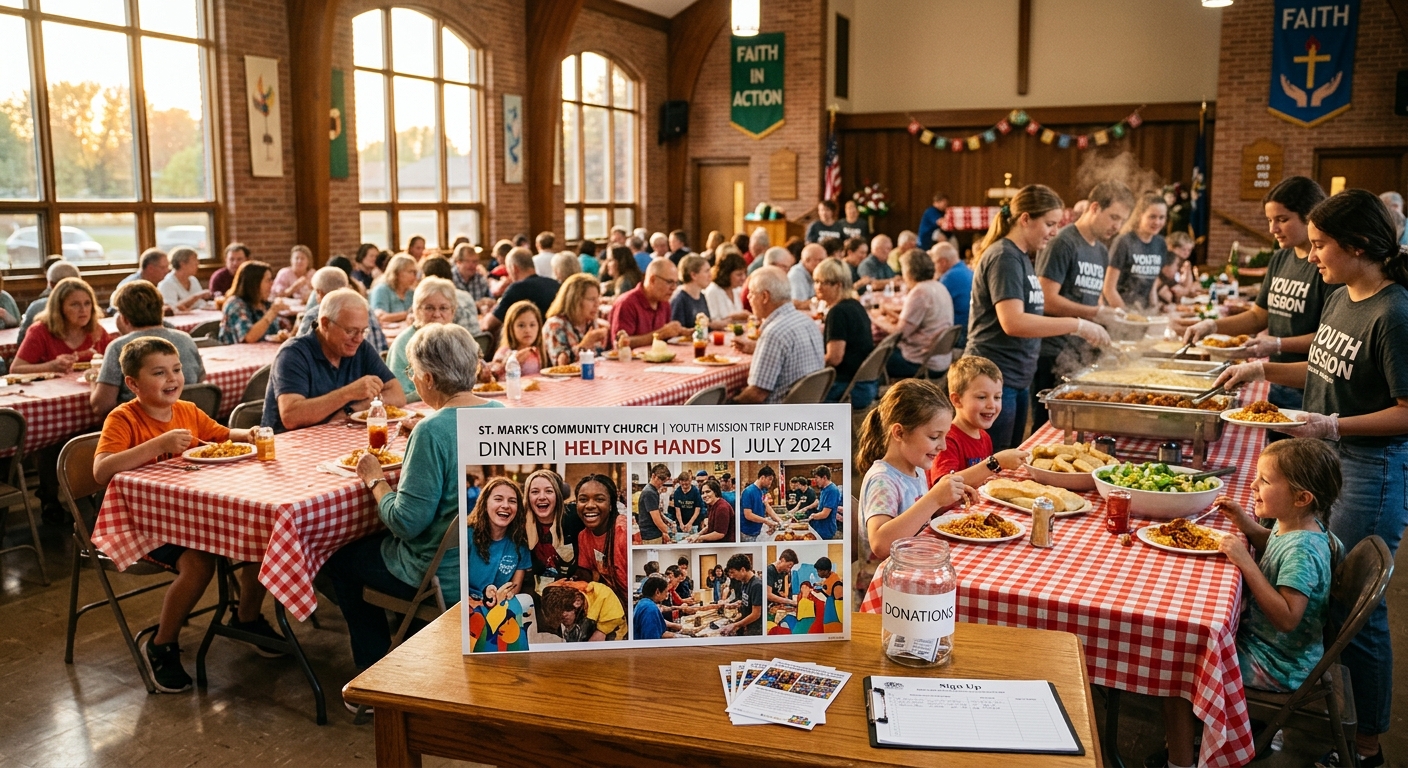
Your church is planning a community spaghetti dinner for next month. Tables are reserved, volunteers are lined up, and you're expecting 150 people. But here's the question most ministry leaders miss: Is this just fellowship, or is this a fundraising opportunity?
According to the National Christian Foundation, churches raise an average of $3,000-$7,000 from well-executed benefit dinners. But here's the problem: most churches lose 10-15% of that total to platform fees, payment processing costs, and multiple vendor systems. A $5,000 fundraiser becomes $4,250 after fees. That's $750 that could have gone to your mission trip, building fund, or community outreach.
What if you could keep 100% of what you raise — from ticket sales, donations, and even merchandise — all managed in one platform? This guide shows you exactly how to turn your next church event into maximum mission funding, with zero platform fees eating into your impact.
Why Church Benefit Dinners Are Perfect Fundraising Events
Benefit dinners work because they combine three powerful fundraising elements:
- Community gathering — People already want to attend church fellowship events
- Clear giving opportunity — Attendees know their ticket supports a specific mission
- Low overhead — Food costs are minimal when volunteers cook and members donate ingredients
The key is treating your benefit dinner as a strategic fundraising event from day one, not just a social gathering with an optional donation bucket at the door.
10 Church Benefit Dinner Ideas That Maximize Mission Funding
Here are proven event concepts that churches use to raise serious funds:
1. Classic Spaghetti Dinner
Best for: Mission trip fundraising, youth ministry
Average raised: $3,000-$5,000
Why it works: Low food cost, high attendance, family-friendly
Sell tickets in advance ($12 adults, $8 kids) and add a donation option at checkout. Include a brief mission trip presentation during dinner. Churches report 40% of attendees give an additional donation when asked during the event.
2. Community BBQ or Fish Fry
Best for: Building funds, general church support
Average raised: $4,000-$6,000
Why it works: Draws the wider community, not just congregation members
Friday night fish fries are a proven fundraising model in Catholic and Lutheran communities. Charge $15-$18 per plate and sell tickets online with QR code entry for easy check-in.
3. Pancake Breakfast
Best for: Sunday school programs, children's ministry
Average raised: $2,000-$3,500
Why it works: Low-cost ingredients, high volunteer engagement, appeals to families
Host between Sunday services or on a Saturday morning. Sell tickets for $8-$10 and include a brief presentation about how funds will be used.
4. International Cuisine Night
Best for: Missions support, cultural outreach
Average raised: $5,000-$7,000
Why it works: Celebrates diversity, draws curious attendees, premium ticket pricing justified by unique experience
Feature dishes from countries your church supports through missions. Charge $20-$25 per ticket and share mission stories throughout the evening.
5. Chili Cook-Off Competition
Best for: Men's ministry, community engagement
Average raised: $3,500-$5,500
Why it works: Interactive, competitive element drives attendance and sponsorships
Charge entry fees for cooks ($25-$50) and attendees ($12-$15). Add voting tokens ($1 each) for favorite chili. The competitive aspect generates buzz and repeat attendance.
6. Soup and Salad Luncheon
Best for: Women's ministry, senior outreach
Average raised: $2,500-$4,000
Why it works: Lighter meal appeals to health-conscious attendees, works well for weekday events
Host on a Saturday or weekday afternoon. Sell tickets for $15-$18 and include a speaker or ministry update presentation.
7. Dinner Theater or Talent Show
Best for: Youth programs, arts ministry
Average raised: $4,500-$8,000
Why it works: Entertainment value justifies higher ticket prices, showcases church talent
Combine a simple dinner (lasagna, salad, dessert) with a performance by church members. Charge $25-$35 per ticket for the dinner-and-show experience.
8. Farm-to-Table Harvest Dinner
Best for: Community outreach, building funds
Average raised: $6,000-$10,000
Why it works: Premium positioning, supports local farmers, attracts high-capacity donors
Partner with local farms to source ingredients. Charge $40-$60 per ticket for an upscale experience. Works especially well in rural or farm-community churches.
9. Ice Cream Social
Best for: Summer VBS fundraising, children's programs
Average raised: $1,500-$2,500
Why it works: Low-cost event, high appeal to families with young children
Charge $5-$8 per person for unlimited ice cream and toppings. Add carnival games or activities with small participation fees to increase revenue.
10. Progressive Dinner
Best for: Small group ministry, community building
Average raised: $3,000-$5,000
Why it works: Multiple host homes = broader participation, intimate settings encourage generous giving
Guests travel to different homes for each course. Charge $30-$40 per person. The unique format creates memorable experiences that drive word-of-mouth promotion.
How to Maximize Fundraising From Your Church Event
Choosing the right event type is step one. Here's how to maximize the fundraising outcome:
Sell Tickets Online With Built-In Donations
Most churches still rely on paper tickets or Eventbrite + a separate GoFundMe. This creates friction. When someone has to visit two different sites to buy a ticket AND make a donation, many skip the donation entirely.
Use a platform that combines ticketing and donations in one checkout flow. When a ticket buyer sees "Add a donation to support our mission trip" right in their cart, 40% will give extra. That turns a $3,000 ticket-sales-only event into a $4,200 total-raised event.
Use QR Code Tickets and Apple Wallet Passes
Paper tickets get lost. Email confirmations get buried in inboxes. Modern churchgoers expect the same seamless check-in experience they get at concerts and sporting events: QR code tickets they can add to their phone's wallet.
This isn't just about convenience — it's about professionalism. When your church event feels organized and tech-savvy, attendees trust you with larger donations.
Add a Product Fundraiser to Your Event
Here's a strategy most churches miss: Add a candy or baked goods table to your benefit dinner.
According to fundraising consultants, product sales at events generate 15-25% additional revenue with minimal effort. If you're already hosting 150 people, why not offer them chocolate bars, gourmet popcorn, or homemade cookies on their way out?
Platforms like FundMySquad partner with fulfillment services (like Treats Island) so you don't have to store inventory or manage logistics. You add products to your event page, attendees order during ticket checkout or at the event, and items ship directly to them. You keep 40-50% profit on every sale.
A $4,000 dinner + $800 in candy sales = $4,800 total raised. That's 20% more mission funding from the same event.
Real-Time Check-In Dashboard
If you've ever stood at a church event entrance with a printed guest list, highlighter in hand, frantically searching for names while a line forms behind you — you know the chaos of manual check-in.
A real-time check-in dashboard lets multiple volunteers scan QR tickets on their phones. They see instant confirmations, can mark no-shows, and track attendance live. This eliminates bottlenecks and lets your team focus on hospitality instead of clipboard management.
Post-Event Thank-You Messaging
The event ends, tables are cleared, and most churches... do nothing. This is a massive missed opportunity.
Sending a personalized thank-you message within 24 hours of your event increases future giving by 30%, according to Blackbaud's donor retention studies. Thank attendees, share the total amount raised, and show exactly how the funds will be used.
Modern fundraising platforms automate this. One click sends a thank-you email to every ticket holder with a recap of the event's impact and an option to make an additional donation.
Church Event Fundraising Platform Comparison
Let's break down what you actually pay when using different platforms for a typical $5,000 church benefit dinner:
| Platform | Platform Fee | Payment Processing | Total Fees | You Keep |
|---|---|---|---|---|
| Eventbrite | 3.7% + $1.79/ticket | 2.9% + $0.30 | ~$380 | $4,620 |
| GoFundMe (donations) | 0% but asks donors to tip | 2.9% + $0.30 | ~$150-$300* | $4,700-$4,850 |
| Zeffy | 0% but aggressive donor tip requests | 2.9% + $0.30 | ~$150-$400* | $4,600-$4,850 |
| PayPal/Venmo | 0% but no ticketing features | 2.9% + $0.30 | ~$150 | $4,850 |
| FundMySquad | 0% platform fees | 2.9% + $0.30 | ~$150 | $4,850 |
*GoFundMe and Zeffy show "0% fees" but add prominent tip requests that donors often think are required. Actual donor tips average 10-15%, effectively reducing what reaches your church.
The FundMySquad difference: Zero platform fees on tickets, donations, AND merchandise. You only pay standard credit card processing (2.9% + $0.30), which every platform charges. For a $5,000 event, that's $230 more in your mission fund compared to Eventbrite.
Step-by-Step: Setting Up Your Church Benefit Dinner Fundraiser
Here's how to create a benefit dinner fundraiser that sells tickets, collects donations, and manages check-in — all in one platform:
Step 1: Create Your Event Page (5 minutes)
- Choose your event type (benefit dinner, BBQ, pancake breakfast, etc.)
- Set your ticket price and early-bird pricing if applicable
- Write a compelling event description that explains what the funds will support
- Add high-quality photos (venue, past events, mission trip destination, etc.)
Step 2: Enable Donations at Checkout (2 minutes)
- Turn on the "Accept donations" toggle
- Write a brief donation ask that appears during ticket checkout (e.g., "Add a donation to help send 12 students to serve in Guatemala this summer")
- Set suggested donation amounts ($25, $50, $100, $250)
Step 3: Add Merchandise (Optional, 3 minutes)
- If using a product fundraiser add-on, browse the catalog and select items
- Popular church event products: chocolate bars, gourmet popcorn, cookie dough, coffee
- Products appear in the same checkout flow as tickets and donations
Step 4: Share Your Event Page
- Post to your church Facebook page and community groups
- Email your congregation with a direct ticket purchase link
- Share in your church bulletin and announcements
- Create a QR code for printed posters (most platforms generate this automatically)
Step 5: Check In Attendees on Event Day
- Open the mobile check-in dashboard on any smartphone or tablet
- Scan QR tickets as guests arrive (works offline if internet is spotty)
- View real-time attendance count and remaining expected guests
Step 6: Send Thank-You Messages After the Event
- Use the built-in messaging tool to thank attendees
- Share the total amount raised and what it will fund
- Include photos from the event
- Add a "Give Again" button for those who want to make an additional donation
FAQ
Q: How much should we charge for benefit dinner tickets?
Price your tickets based on your community and the meal quality. A simple spaghetti dinner typically sells for $10-$15 per adult, $6-$10 per child. A premium farm-to-table dinner can command $40-$60 per person. Research what similar events in your area charge. Don't underprice — people expect to pay for fundraising events and understand the ticket supports your mission.
Q: Should we sell tickets at the door or require advance purchase?
Advance ticket sales are critical for three reasons:
- You know exactly how much food to prepare (reducing waste and cost)
- You collect funds before the event (helpful for cash flow)
- No-shows are minimal when people have already paid
Sell 80-90% of tickets in advance, then offer a limited number of "at the door" tickets at a slightly higher price ($2-$3 premium) to create urgency for advance purchases.
Q: How do we promote our benefit dinner to people outside our congregation?
Church benefit dinners are community events — don't limit promotion to Sunday announcements. Use these channels:
- Facebook event pages and local community groups
- Nextdoor neighborhood posts
- Local newspaper community event calendars
- Partner with other churches to cross-promote
- Put up posters at local businesses (coffee shops, libraries, community centers)
- Email past event attendees (if you have their contact info from previous years)
The wider you promote, the more tickets you sell and the more mission funding you raise.
Q: Can we still accept cash and check donations at the event?
Absolutely. Modern fundraising platforms don't eliminate traditional giving — they add digital convenience. Have a donation station at your event where people can give cash/check or scan a QR code to donate online. Many churches find that older members prefer cash while younger attendees prefer mobile giving. Offer both and maximize participation.
Q: What's the best way to explain where the money is going?
Be specific. "Support our youth ministry" is vague. "Send 12 high school students to build homes in Guatemala this July" is compelling. Include:
- The exact program or mission being funded
- How much you're trying to raise total
- What that money will accomplish (e.g., "$5,000 covers airfare and supplies for our entire mission team")
- Photos or stories from past mission trips if applicable
Specificity builds trust and increases giving.
Start Your Church Benefit Dinner Fundraiser Today
Your church is already planning summer events. The question is: Will those events just bring people together, or will they also fund your mission?
With the right platform, every community meal, picnic, or gathering becomes a powerful fundraising opportunity. Sell tickets, collect donations, manage check-in, and thank attendees — all in one place, with zero platform fees.
Ready to turn your next church event into maximum mission funding? Create your benefit dinner fundraiser on FundMySquad and keep 100% of what you raise (minus standard payment processing). No setup fees, no monthly costs, no platform commissions.
Your community is ready to support your mission. Make it easy for them to give.
Related reading: